Privacy by Design: Data Minimisation and Future-Proofing Your Analytics
Practical privacy by design for analytics: the four data minimisation principles, anonymisation, retention and access techniques, and choosing a privacy-first p

You cannot control when a federal US privacy law will finally pass, or exactly what the next state statute will demand. But you can control how ready you are. The most reliable way to prepare is a principle that predates any single law: privacy by design — building respect for personal data into every system from day one, instead of bolting it on after a regulator or a breach forces your hand. At its core sits one practice that pays off everywhere: data minimisation.
This is the final article in our US data privacy series. For the landscape and the law, see Is There a US Data Privacy Act? and CCPA vs GDPR. Here we get practical.
What is data minimisation?
Data minimisation is the practice of collecting only the data you truly need, and securely deleting it once it no longer serves a purpose. It is a core principle of the GDPR — which requires that personal data be "adequate, relevant and limited to what is necessary" — and it echoes through US state laws and federal guidance like the Fair Information Practice Principles.
It does not mean collecting nothing. It means being deliberate. The contrast is with the old "data maximisation" mindset of collecting everything "just in case," which carries higher breach risk, higher storage costs, and a constant tension with modern privacy law.
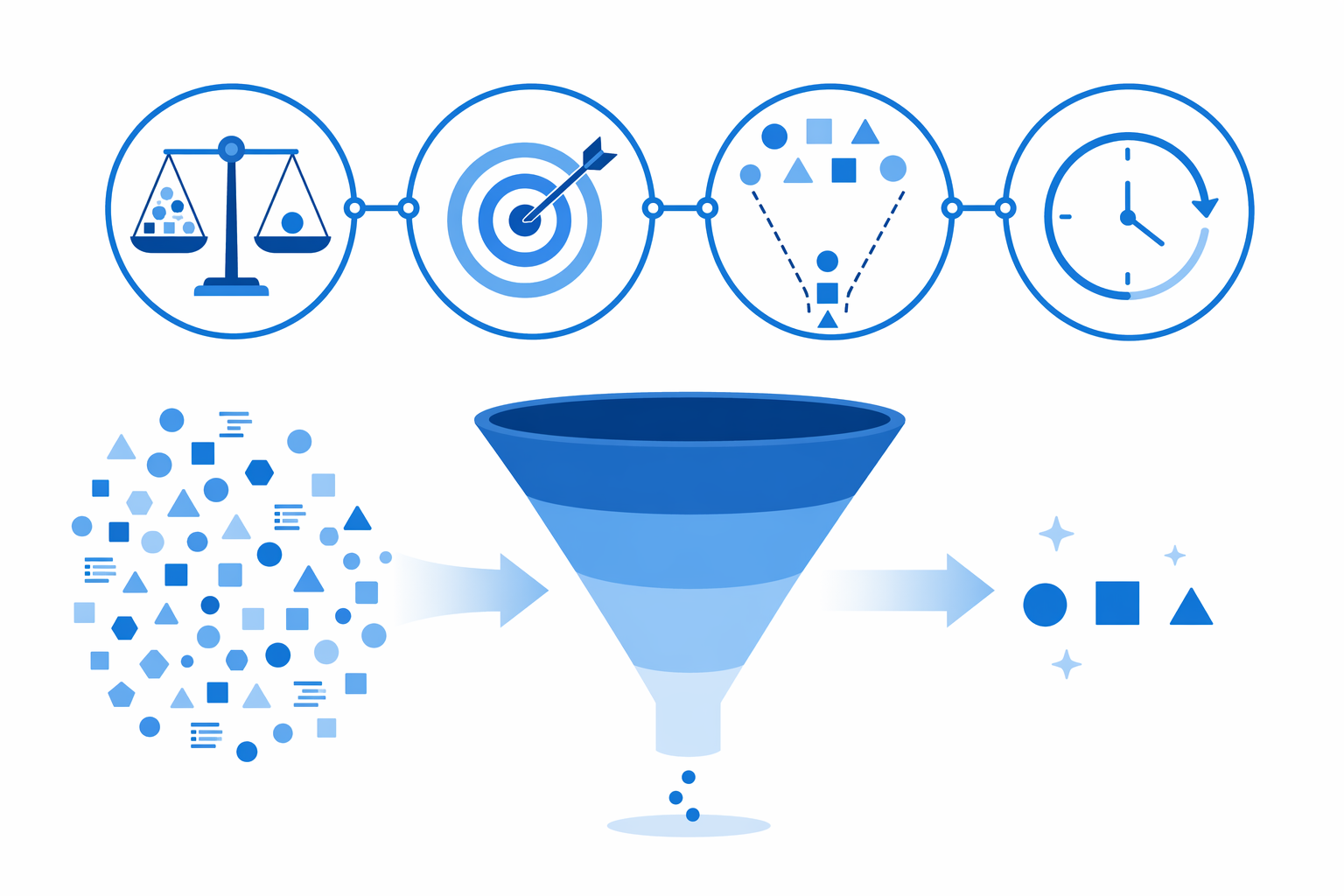
The four principles
Good data collection follows four simple tests:
- Adequate — collect enough to meet your stated objective and serve customers.
- Relevant — only gather data that is pertinent to that objective.
- Limited — strip out identifiers you don't need; if a zip code is enough, don't store the full address.
- Timely — review what you hold regularly and delete it (including backups) when it no longer serves a purpose.
The business case
Data minimisation is not just a compliance checkbox. It is good business:
- Mitigates risk. The less data you hold, the smaller your attack surface and the less a breach can expose. Smaller breaches mean smaller fines and less reputational damage.
- Builds trust. Consumers increasingly take active steps to protect their privacy. Collecting less signals that you respect them — a genuine differentiator.
- Reduces cost. Storing and managing data is expensive; a smaller footprint means lower infrastructure and backup costs.
- Cuts noise. Lean data means fewer variables to clean and interpret, so analysts reach decisions faster.
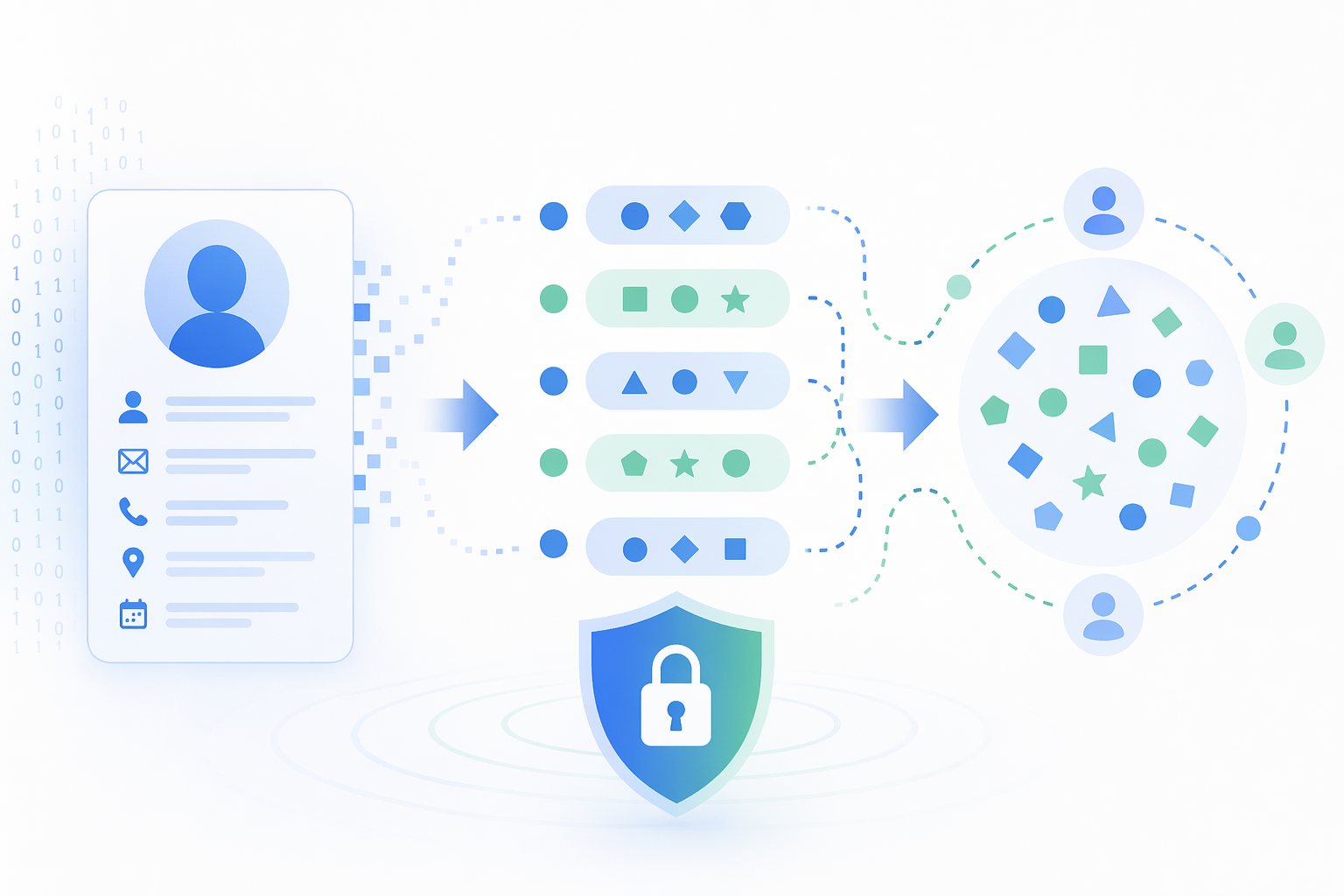
Four techniques to put it into practice
- Define a data collection policy. Document what you collect, how, why, who can access it, how it's stored and how it's shared — then train your team on it.
- Anonymise or pseudonymise. Anonymisation severs the link to an individual entirely (taking the data outside GDPR); pseudonymisation replaces identifiers with artificial values that can still be re-identified. Techniques include masking, tokenisation and data shuffling.
- Limit access. Use role-based access control so only the people who need data for their job can reach it.
- Set retention policies. Define how long you keep data and how you delete it when it is no longer required — and automate the purge.
Building privacy by design into analytics
Your web and app analytics is the perfect place to start, because many teams collect far more there than they need. Prepare your analytics infrastructure now as if a unified federal law were already in force:
- Collect only the personal data truly needed for measurement.
- Separate sensitive categories — like health data — wherever possible.
- Define clear internal rules for retention, access and deletion.
- Choose analytics tools that honour consent choices and opt-outs by region.
- Keep an inventory of where data lives, so you can respond to requests and incidents fast.
Concrete configuration choices make a big difference: masking IP addresses, avoiding default user-ID tracking, shortening cookie lifetimes, supporting cookieless tracking where appropriate, and integrating with a consent management platform so regional rules are respected automatically.
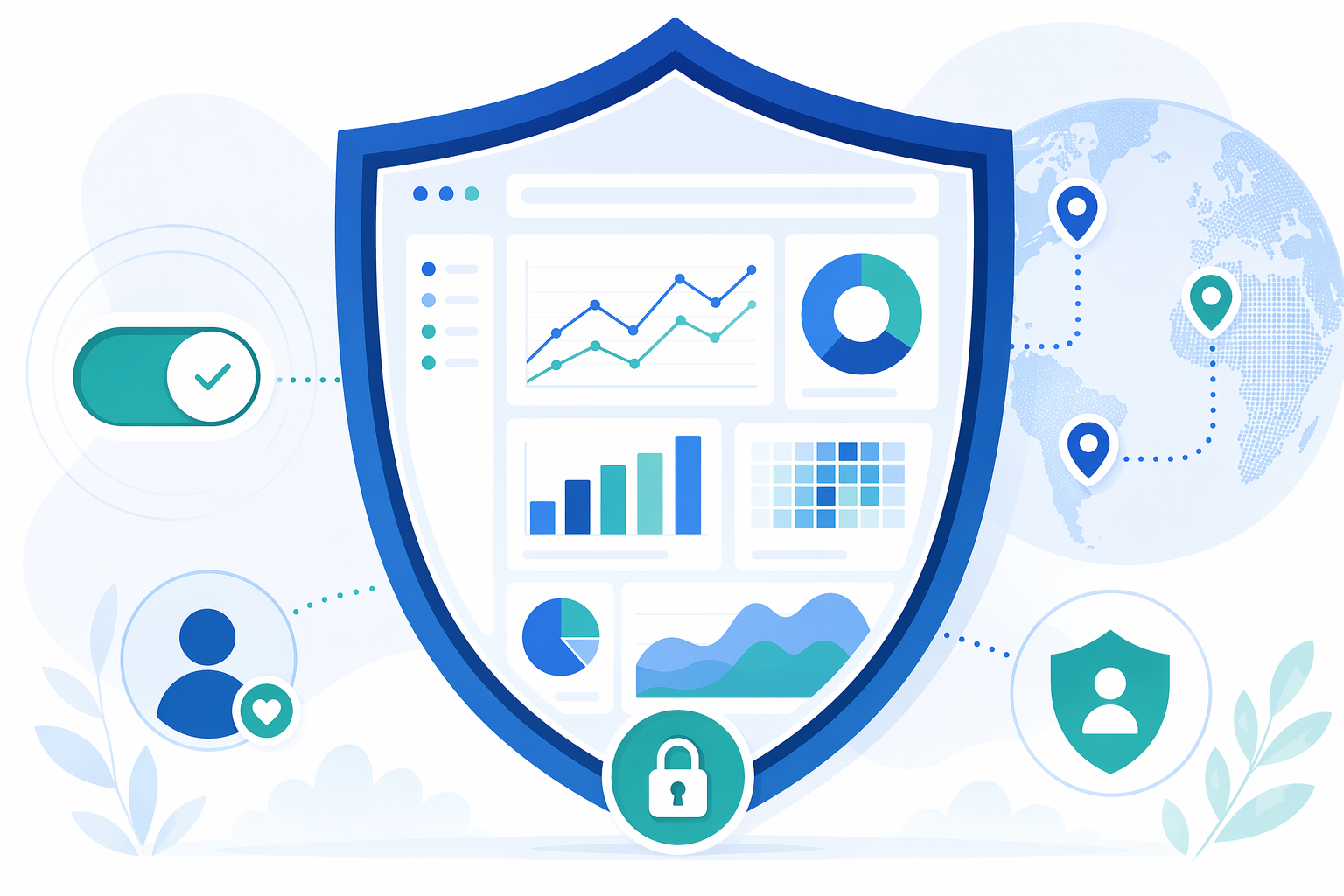
Choosing a privacy-first foundation
A business based in a state without strong privacy legislation is not exempt when it serves customers elsewhere. An eCommerce company in one state that collects data from visitors in California or Virginia must follow each of those states' rules for every visit that reaches its analytics. As both state and sector regulations evolve, the privacy-by-design approach becomes more practical than the alternative — at some point, the cost of reconfiguring tools again and again outweighs any advantage from hoarding data.
A privacy-first platform helps teams minimise what they collect, respect consent by region, and work confidently with de-identified data, while keeping a clear record of who is responsible for what. This is the design philosophy behind Apivom Opus, our privacy-first analytics offering: accurate, unsampled insight without sacrificing data ownership or user trust.
Staying ahead
Personal data is everywhere, and the rules guarding it only grow more complex. Even without a single federal act, state and sector rules already shape how you collect, store and use data. The most practical move is simple: map what you track, where it lives and which consent signals you respect, then phase out anything that cannot adapt to stricter requirements. Teams that build privacy in by default adapt settings when new laws arrive — instead of rebuilding their measurement stack from scratch.
Ready to make privacy your default? Talk to our team, or revisit the series from the beginning on our blog.