

Essential DX tooling for modern development
When developing modern software applications, the quality of your tooling infrastructure can make the difference between a highly productive team and one mired in technical debt.

When developing modern software applications, the quality of your tooling infrastructure can make the difference between a highly productive team and one mired in technical debt. Developer Experience (DX) focuses on making the engineering process as frictionless as possible. In this article, we dive into essential DX tools that every modern codebase should utilize to ensure high code quality, maintainability, and developer satisfaction.
Static analysis and code formatting
In the JavaScript and TypeScript ecosystem, ensuring a unified coding style is paramount. ESLint has long been the standard for identifying problematic patterns. With the introduction of the ESLint Flat Config, configuring rules across monorepos and complex projects has become much more straightforward. The Flat Config removes the convoluted resolution of nested .eslintrc files, replacing them with a single, predictable JavaScript object.
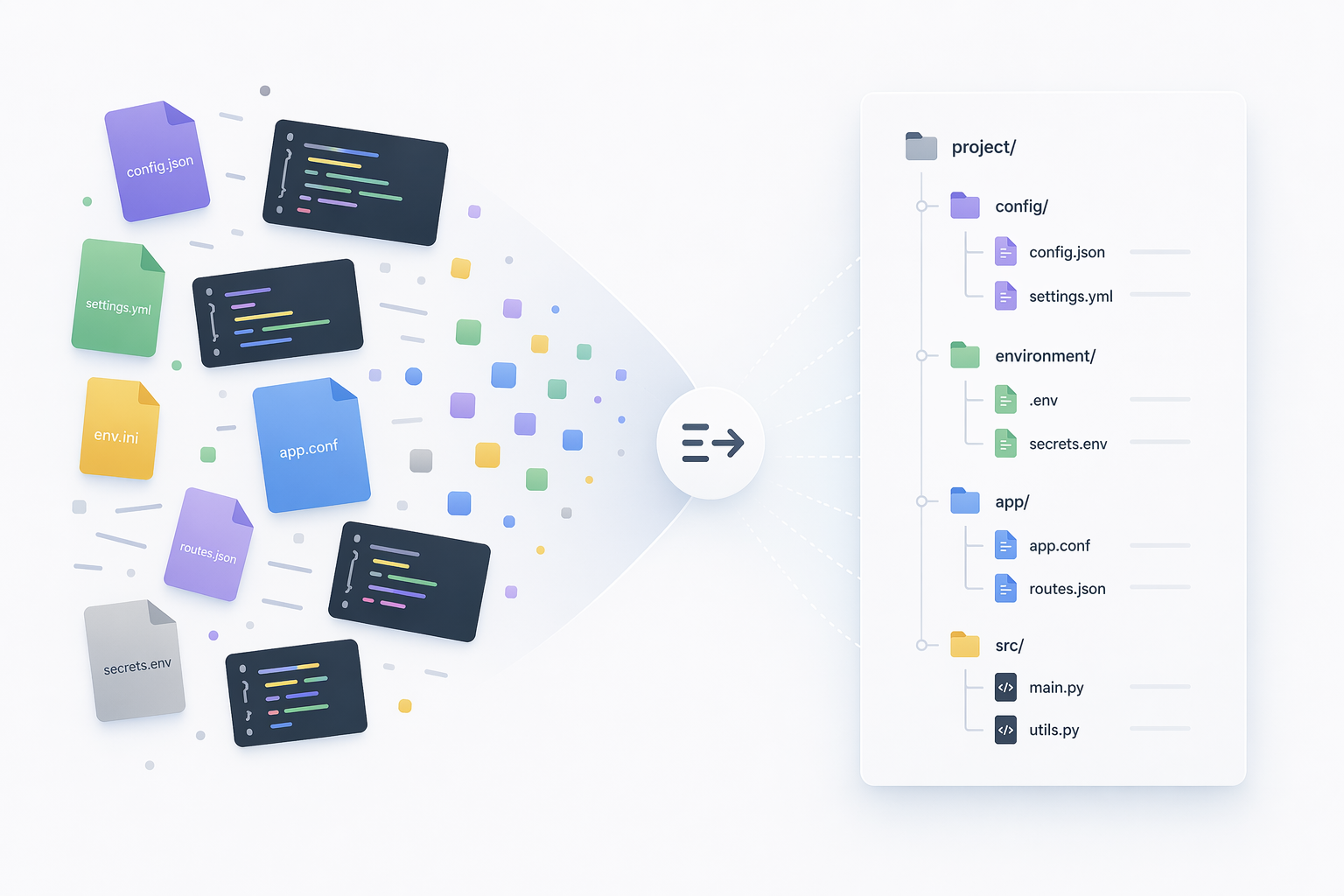
Coupled with ESLint, code formatters like Prettier enforce a consistent style. Recently, Rust-based alternatives like Biome have emerged, offering formatting and linting in a fraction of the time. Regardless of the tool chosen, automated formatting ensures that code review discussions focus on architecture rather than syntax.
Eliminating dead code with Knip
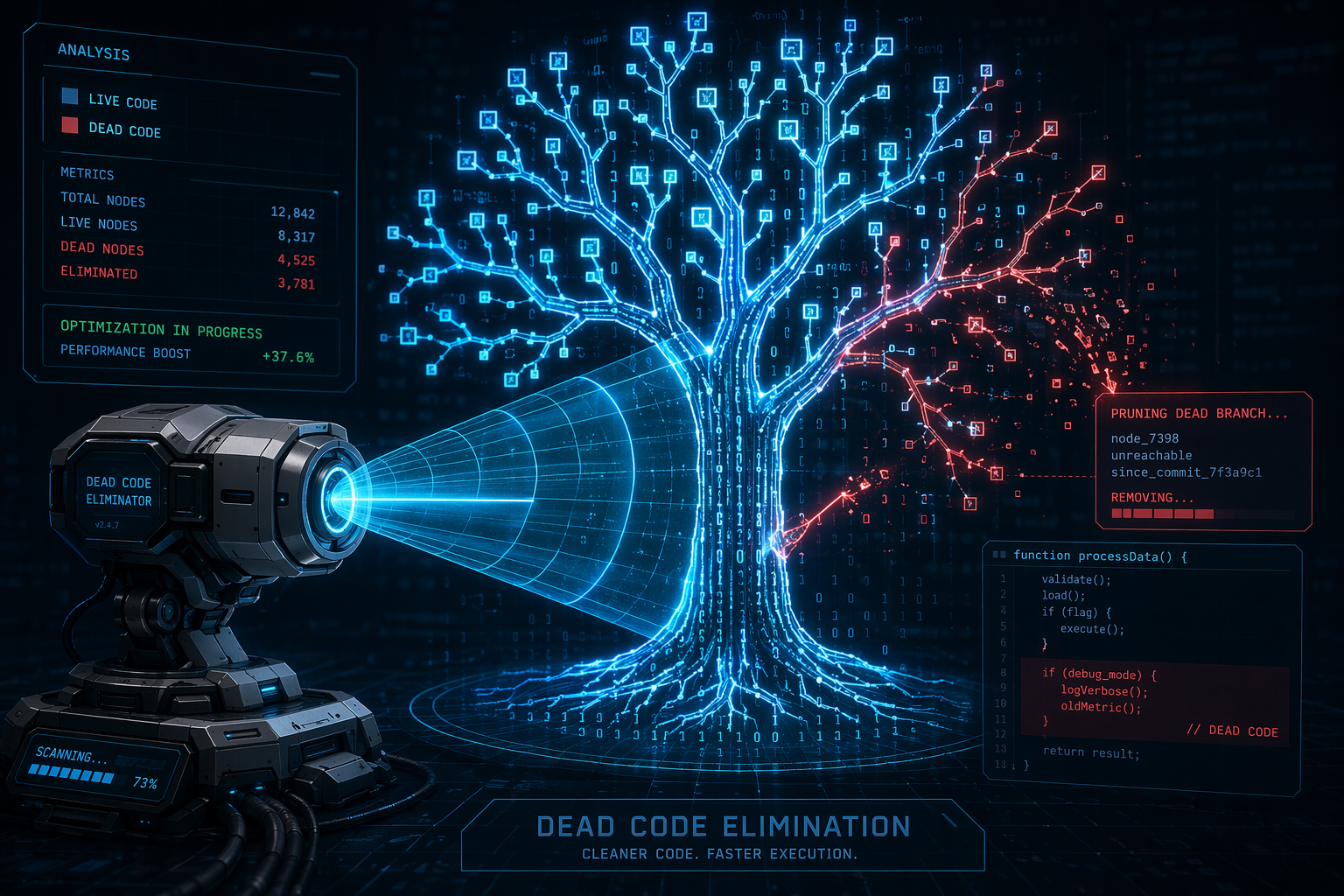
As a project grows over months or years, it inevitably accumulates unused files, dependencies, and exports. This dead code clutters the workspace, slows down IDE performance, and confuses developers.
Knip is a tool that detects unused code and dependencies in your JavaScript or TypeScript project. By evaluating the actual import/export graph, Knip accurately flags orphaned files and unreferenced exports. Running Knip regularly prevents the codebase from becoming an unmanageable legacy system and drastically improves Developer Experience.
Slaying the duplication monster with jscpd
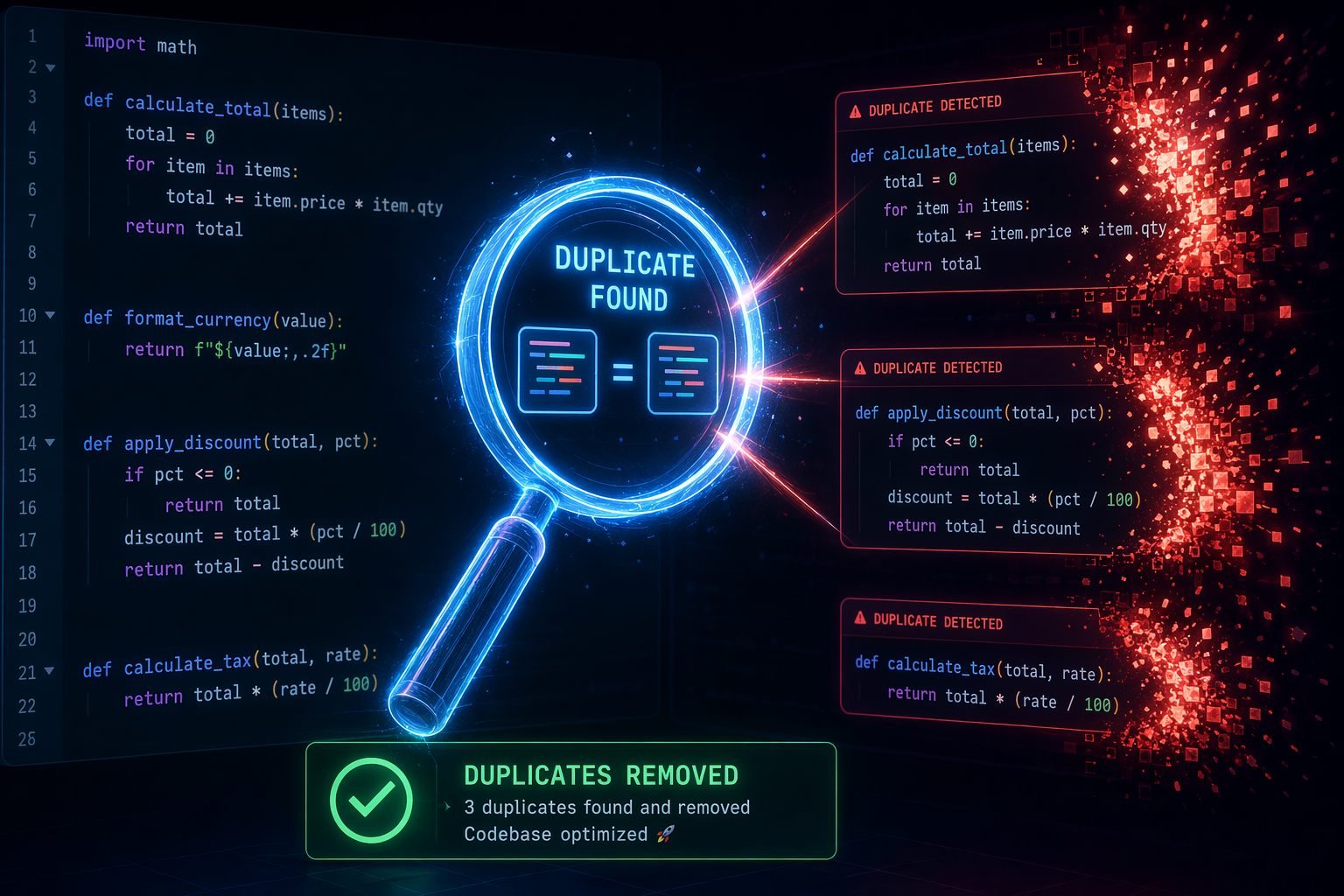
Copy-pasting code is a common anti-pattern that leads to hidden bugs and maintenance nightmares. The jscpd (JavaScript Copy/Paste Detector) tool scans your entire repository for duplicated logic blocks.
Configuring a strict threshold—for instance, allowing a maximum of 5% code duplication—forces developers to refactor repeated logic into reusable utility functions or components. Preventing duplication at the commit level elevates architectural hygiene and makes the platform more reliable over time.
Modern testing: Vitest and Playwright
Testing is crucial, but slow or flaky tests heavily degrade DX. Modern alternative testing frameworks have solved many of these pain points.
Vitest: Aimed as a blazing-fast alternative to Jest, Vitest natively understands ECMAScript Modules (ESM) and TypeScript. Powered by Vite, it delivers near-instant test re-runs during active development.
Playwright: For end-to-end (E2E) testing, Playwright has set a new standard. It offers reliable, automatic waiting mechanisms, network interception, and cross-browser support out of the box, ensuring that UI tests are resilient rather than flaky.
Conclusion
Investing in Developer Experience isn't just about making developers happy—it directly translates to faster feature delivery and lower bug rates. By implementing tools like ESLint Flat Config, Knip, jscpd, Vitest, and Playwright, your software engineering process becomes a robust, self-cleaning engine.